Observing Wheel Customization Trends and Compliance Effects on Portable Gaming Formats Across Nordic Jurisdictions
Kirjoittanut Zoe Jenkins · 20.11.2026
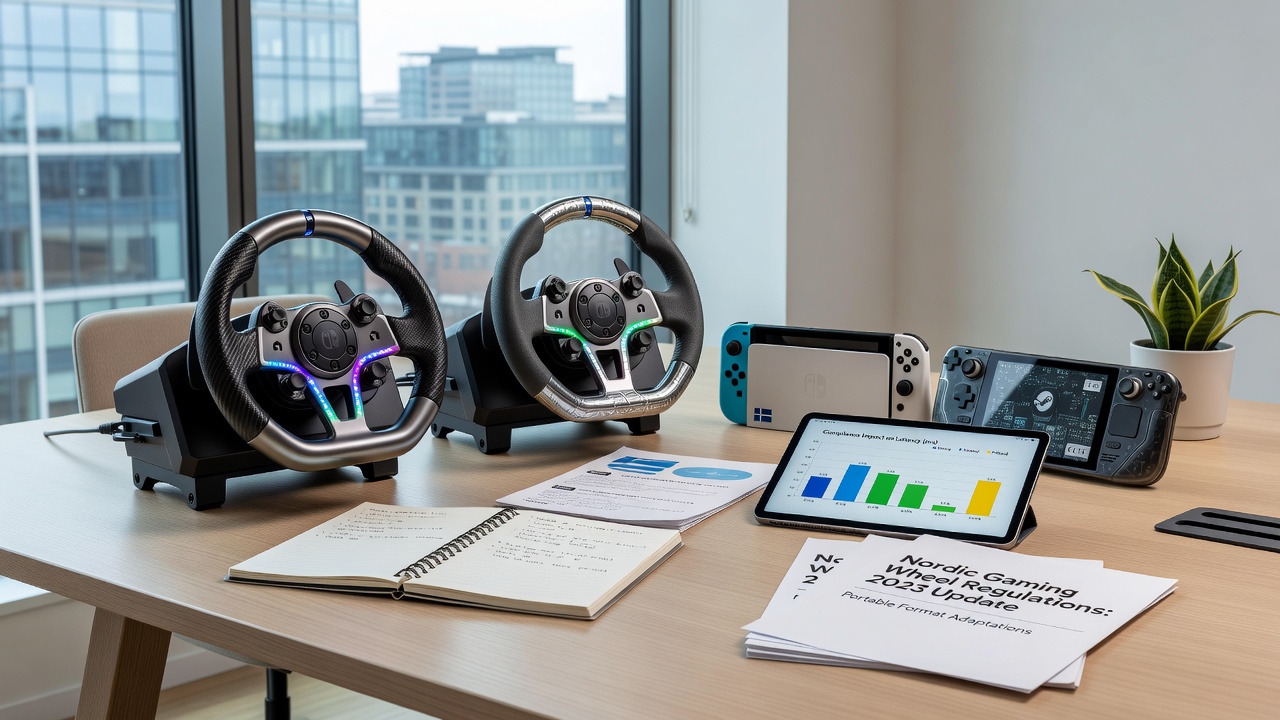
Observing Wheel Customization Trends and Compliance Effects on Portable Gaming Formats Across Nordic Jurisdictions
Wheel customization in digital gaming environments has drawn attention from regulators and platform operators alike in Nordic jurisdictions where mobile formats continue to expand, and data from industry reports shows that developers now integrate modular wheel designs allowing players to adjust visual elements such as segment colors, animation speeds, and sound layers while remaining within predefined compliance boundaries. These adjustments occur most frequently on portable devices because screen real estate and touch controls encourage iterative refinements that desktop versions rarely receive, yet the same modifications must satisfy licensing conditions set by national authorities in Finland, Sweden, Denmark, and Norway.
Customization Patterns in Portable Formats
Platform operators have documented rising demand for user-controlled wheel variants that adapt to individual preferences without altering core probability structures, and studies compiled by regional gaming associations indicate that mobile users in Sweden and Denmark apply custom themes at rates exceeding those recorded on stationary terminals by substantial margins. Compliance frameworks require that any visual or auditory modification preserve the random number generation integrity verified during licensing audits, which means developers embed these options behind backend checks that activate only after regulatory approval of the base game file. Observers note that November 2026 brings scheduled reviews by multiple Nordic licensing bodies where updated technical standards for portable applications will take effect, prompting several operators to pre-certify new customization modules ahead of the deadline.
Regulatory Alignment Across Borders
Swedish authorities through Spelinspektionen have issued guidance requiring that wheel customization features include clear reset options and transparent logging of user selections, while Danish regulators enforce similar rules with added emphasis on age-verification triggers that activate whenever a player attempts to save a modified profile. Norwegian frameworks administered by the Norwegian Gaming Authority extend these requirements to include cross-device synchronization limits so that custom settings established on a smartphone cannot migrate to an unlicensed environment. Data compiled by the Nordic Council of Ministers shows that coordinated policy updates between these agencies have reduced the number of non-compliant mobile releases by measurable percentages since 2023, although enforcement actions remain focused on documentation rather than outright prohibition of aesthetic changes.
Portable gaming formats introduce additional layers of complexity because operating system updates from major mobile vendors can inadvertently alter how custom wheel assets render, and operators have responded by maintaining version-specific compliance packs that undergo fresh testing with each major OS release cycle. Researchers at institutions tracking digital gambling interfaces report that touch-optimized sliders and gesture controls now dominate customization menus, yet these interface elements must still route through the same certified random processes used for standard play.
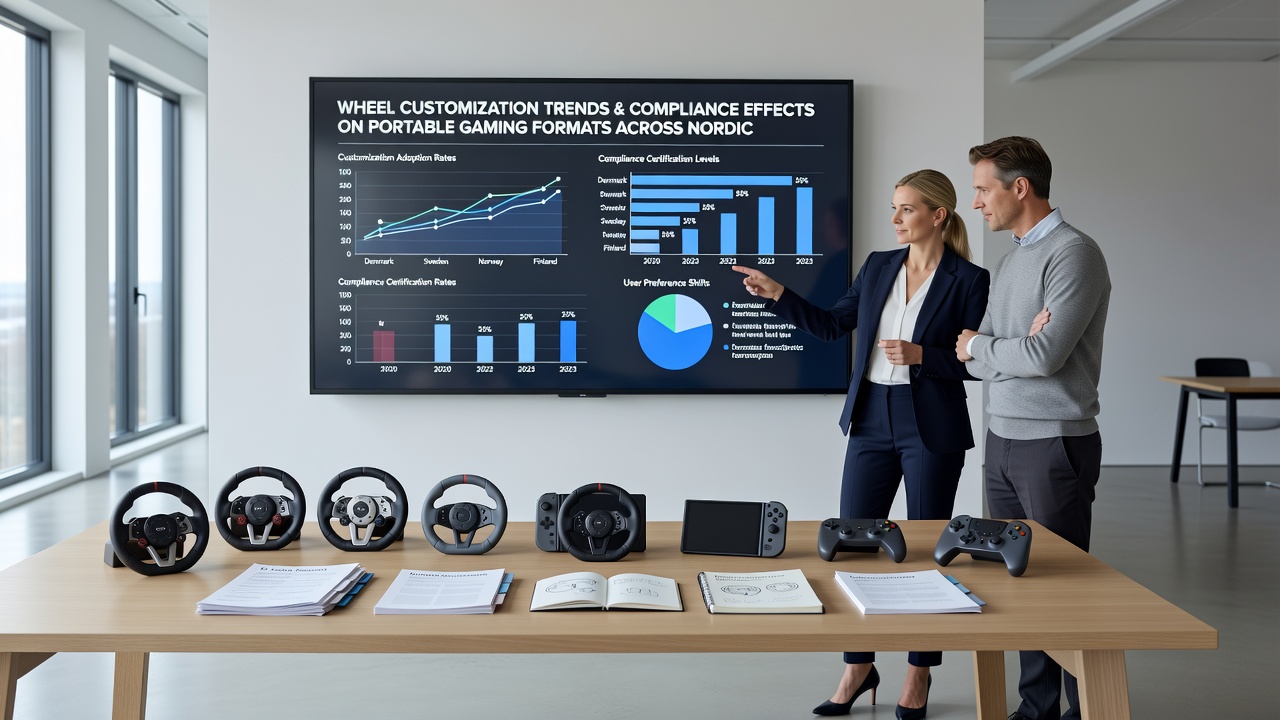
Technical and Operational Impacts
Compliance effects manifest most visibly in the approval timelines for new portable releases, where customization options extend review periods by weeks or months depending on the jurisdiction, and figures released by national lotteries indicate that operators increasingly submit modular code packages allowing regulators to evaluate core mechanics separately from optional visual layers. This separation reduces rework when minor aesthetic tweaks receive updates, yet it demands robust version control systems that log every change for audit trails. In practice, developers working across Nordic markets maintain parallel code branches that isolate customization features behind feature flags activated only after jurisdiction-specific certification completes.
Evidence from industry monitoring services suggests that mobile players in these regions engage with customization tools primarily during onboarding sequences, after which usage drops unless prompted by seasonal events or loyalty incentives that themselves require separate compliance clearance. The interaction between customization availability and bonus structures remains under scrutiny because some frameworks treat modified wheel appearances as potential inducements that could influence perceived value, leading operators to present all options in neutral language during player education modules.
Future Monitoring and Data Collection
Joint working groups among Nordic regulators have begun sharing anonymized usage statistics related to wheel customization on portable platforms, which enables comparative analysis of adoption rates while maintaining player privacy standards required under regional data protection rules. These datasets reveal consistent patterns where younger demographics interact more frequently with customization sliders, whereas older cohorts maintain default settings at higher rates, though such observations derive strictly from aggregated metrics rather than individual profiling. As November 2026 approaches, several agencies plan to publish consolidated reports that will incorporate mobile-specific compliance metrics gathered over the preceding twelve months, providing operators with clearer benchmarks for future development cycles.
Cross-Jurisdictional Coordination
Coordination efforts extend to technical standards for portable testing environments, where simulators must replicate device-specific rendering behaviors before certification, and this requirement has encouraged vendors to publish detailed hardware profiles that developers consult during the design phase. Academic researchers examining regulatory harmonization note that such shared resources reduce duplication of effort across borders while preserving each jurisdiction's authority to impose additional safeguards when local conditions warrant.
Conclusion
Wheel customization trends continue to evolve within the constraints established by Nordic compliance regimes, and portable gaming formats serve as the primary testing ground for these innovations because of their rapid iteration cycles and broad user reach. Regulatory bodies maintain oversight through documented approval processes that separate visual modifications from mechanical integrity, while operators adapt by building flexible yet auditable systems that accommodate both player preferences and licensing obligations. Ongoing data collection through coordinated Nordic channels supplies the factual basis for future adjustments, ensuring that developments in mobile wheel gaming remain aligned with established compliance expectations across the region.