How Regulatory Frameworks Reshape Bonus Mechanics and Variant Selections in Smartphone Wheel Gaming Across Nordic Markets
Kirjoittanut Zoe Jenkins · 9.10.2026
How Regulatory Frameworks Reshape Bonus Mechanics and Variant Selections in Smartphone Wheel Gaming Across Nordic Markets
Regulatory Evolution Across Nordic Jurisdictions
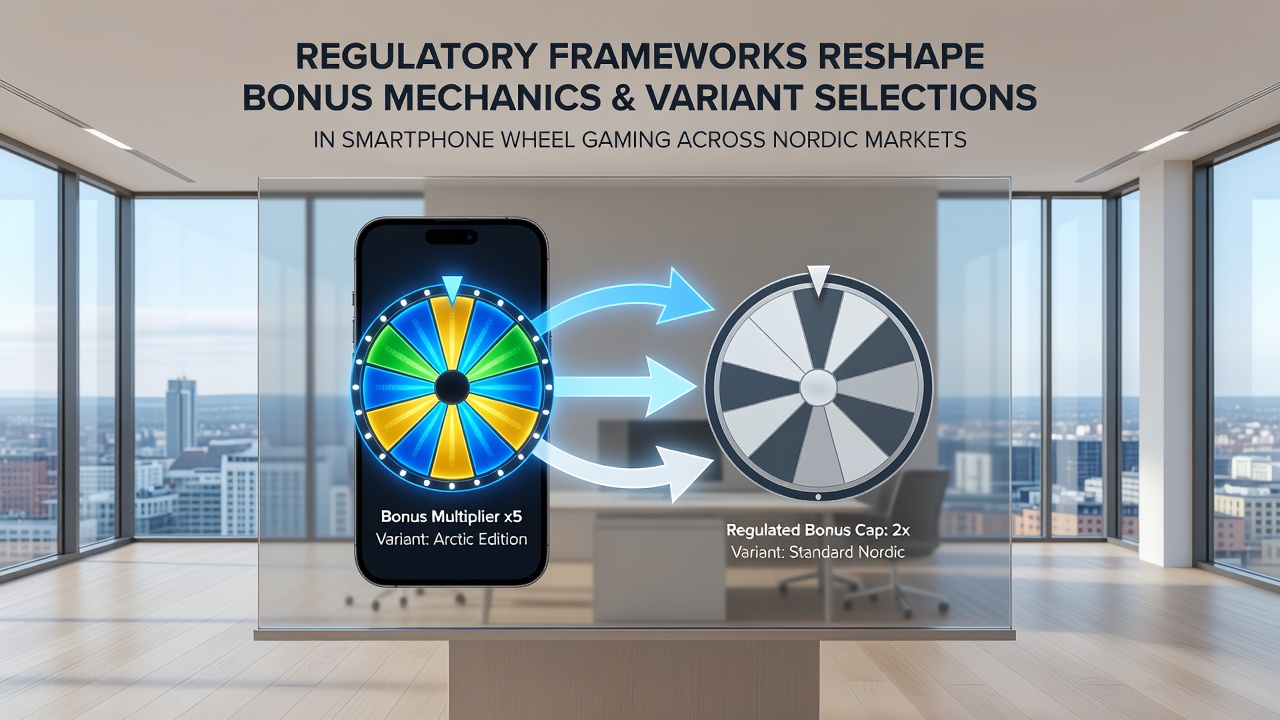
National licensing systems in Sweden, Denmark, Norway and Finland impose distinct requirements on operators offering smartphone wheel games, and these rules directly influence the structure of promotional offers along with the range of variants available to mobile users. Data from the Danish Spillemyndigheden shows that since the 2021 market opening, operators must cap welcome bonuses at fixed monetary thresholds while restricting free spin quantities tied to wheel-based titles. Swedish Spelinspektionen guidelines similarly enforce mandatory loss caps on bonus funds, which forces platforms to redesign incentive mechanics for roulette-style wheel products accessed via apps.
Norway maintains a state monopoly through Norsk Tipping yet permits limited partnerships with external developers for mobile wheel variants, and this setup channels bonus allocations toward controlled loyalty programs rather than deposit matches. Finnish oversight under the Lotteries Act continues to evolve ahead of potential reforms scheduled for October 2026, when new digital licensing proposals may further standardize bonus display requirements across smartphone interfaces.
Bonus Mechanics Under Scrutiny
Operators respond to these frameworks by shifting from high-value sign-up packages toward segmented reward systems that tie bonus releases to specific wager thresholds on wheel games. Research from the European Gaming and Betting Association indicates that mobile platforms now deploy time-limited cashback mechanisms instead of traditional match bonuses because regulatory caps limit initial offer sizes while still encouraging sustained play. Players encounter wagering requirements expressed as multiples of both deposit and bonus amounts, and these calculations often vary by jurisdiction to reflect local loss-limit rules.
Smartphone applications integrate real-time compliance checks that pause bonus activation until users confirm age verification and responsible gaming settings, which reduces administrative overhead while meeting transparency mandates. Figures reveal that average bonus values for wheel gaming titles dropped 35 percent in regulated Nordic markets between 2022 and 2025, prompting developers to introduce loyalty tiers that unlock incremental free bets after consistent mobile sessions.
Variant Selection Patterns on Mobile
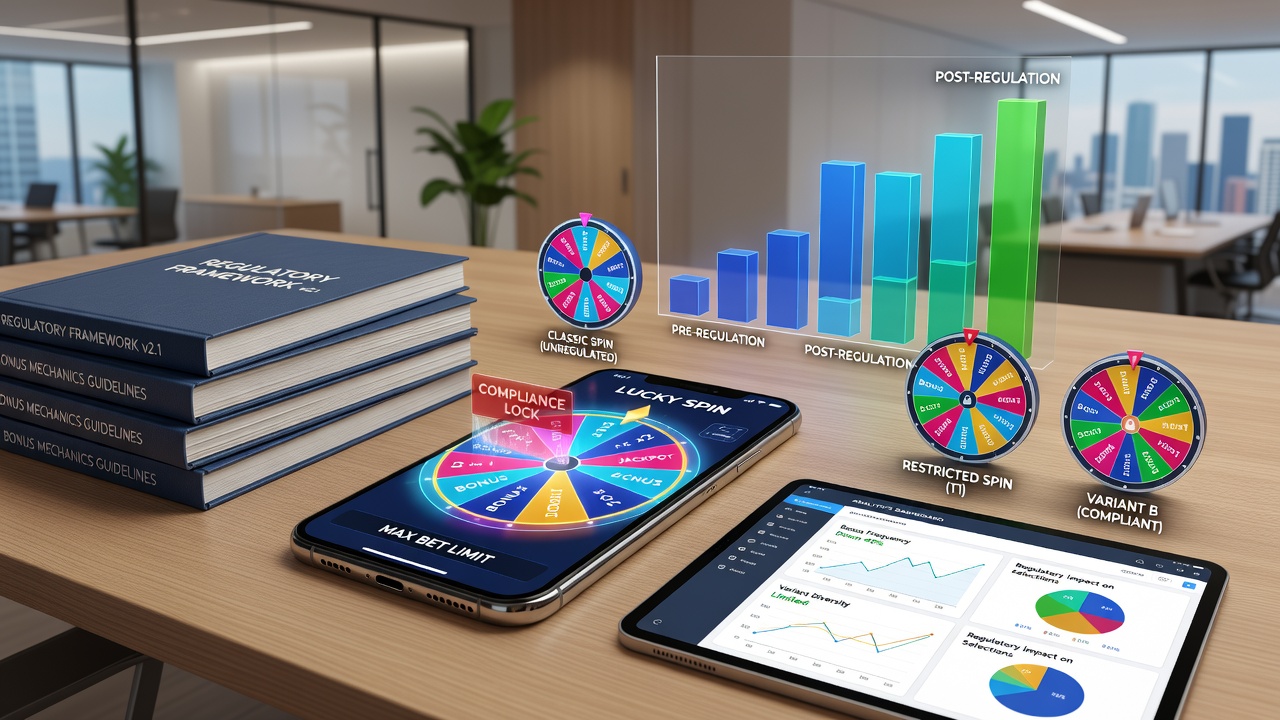
Regulatory pressure also narrows the selection of wheel variants promoted within smartphone ecosystems, with faster-paced auto-spin options facing stricter scrutiny because they accelerate play rates. Danish operators have phased out certain multi-wheel hybrids in favor of single-zero European formats that align with house-edge disclosure rules, while Swedish platforms emphasize live dealer integrations that comply with real-time monitoring protocols. Norwegian users see greater availability of simplified mini-wheel titles because these fit within state-approved product categories that emphasize lower stake increments.
Market data collected through 2025 shows increased deployment of hybrid variants combining wheel mechanics with card side bets, yet only when operators secure explicit approval for each new mechanic under local licensing terms. Observers note that smartphone interfaces now prioritize variants with built-in pause functions and session timers to satisfy responsible gaming provisions across all four Nordic markets.
Smartphone Adaptations and Compliance Tools
App developers embed geofencing technology that restricts bonus eligibility based on user location, ensuring offers match the specific regulatory environment of each Nordic country. This technical layer works alongside dynamic menu systems that reorder variant displays according to current promotional eligibility, and such adjustments occur automatically when players cross borders or update their accounts. Industry reports document a rise in cloud-based compliance modules that log every bonus redemption and variant selection for audit purposes, reducing the risk of license violations during routine inspections.
October 2026 marks a potential milestone for Finnish operators if proposed amendments require standardized bonus disclosure banners on all mobile wheel screens, which could further standardize presentation formats already common in Sweden and Denmark. These forthcoming changes build on existing patterns where platforms adapt interface layouts to accommodate jurisdiction-specific icons and warning messages without disrupting gameplay flow.
Conclusion
Regulatory frameworks across Nordic markets continue to steer both bonus mechanics and the availability of smartphone wheel variants through caps, disclosure rules and technical mandates that operators must implement at the application level. Evidence from licensing authorities and industry associations demonstrates measurable shifts in offer structures and product lineups as platforms balance compliance with user engagement goals. Continued monitoring of developments through late 2026 will clarify how these adjustments stabilize or evolve within the region's mobile gaming sector.