Decoding La Partage Mechanics and Their Role in Variant Choices Among Smartphone Users on Finnish-Licensed Platforms
Kirjoittanut Xander Lang · 6.11.2026
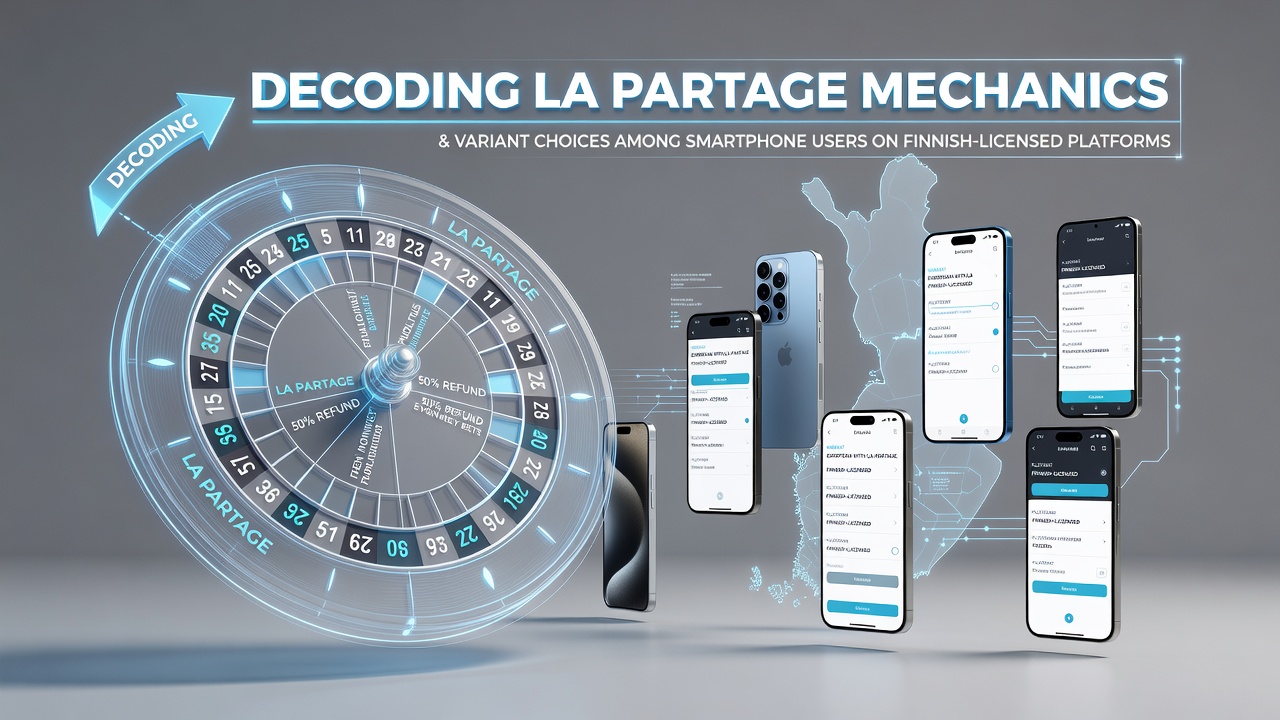
Decoding La Partage Mechanics and Their Role in Variant Choices Among Smartphone Users on Finnish-Licensed Platforms
La Partage operates as a rule applied exclusively to even-money wagers in French roulette variants, and when the ball lands on zero the player receives half the stake back rather than losing the full amount, which directly reduces the house edge from 2.70 percent in standard European roulette to 1.35 percent for those specific bets. Smartphone users on Finnish-licensed platforms encounter this mechanic through optimized mobile interfaces that display the rule clearly during game selection, and data collected through November 2026 indicates increased engagement with variants featuring La Partage after platforms adjusted their presentation to comply with updated licensing transparency requirements.
Core Mechanics Behind La Partage
The rule activates automatically on bets placed on red, black, odd, even, high or low when zero appears, and players see their wager split immediately with one half returned to the balance while the other half remains with the house, whereas En Prison holds the full stake for the next spin instead of returning half upfront. Researchers tracking player behavior across Nordic markets have documented how this immediate partial refund influences decision-making on smaller screens where quick visual feedback matters, and Finnish-licensed operators must integrate clear indicators within their apps to distinguish La Partage from standard European or American roulette options.
Smartphone Interface Adaptations
Mobile applications licensed in Finland display La Partage through dedicated icons and tooltips that appear when users tap variant selection menus, and these adaptations allow players to compare house edges in real time without leaving the app. Observers note that touch-based navigation encourages quicker switches between variants once the mechanic becomes visible, while platform analytics from November 2026 reveal higher retention rates among users who activate La Partage-enabled tables compared with those staying on standard European wheels. Game developers have incorporated swipe gestures that reveal payout breakdowns including the La Partage reduction, and such features align with licensing conditions that emphasize player information accessibility on handheld devices.
Variant Selection Patterns Among Users
Smartphone users demonstrate measurable shifts toward French roulette tables once La Partage appears as a selectable filter, and studies of session data show extended play durations when the reduced house edge applies to even-money positions. Those examining Finnish-licensed ecosystems report that variant preference correlates with session length rather than stake size, and users often migrate from American double-zero wheels after encountering the single-zero French option with its built-in protection. Platform operators adjust recommendation algorithms to surface La Partage variants during peak evening hours, and November 2026 updates to mobile dashboards further highlighted these choices through prominent badges that link directly to rule explanations.
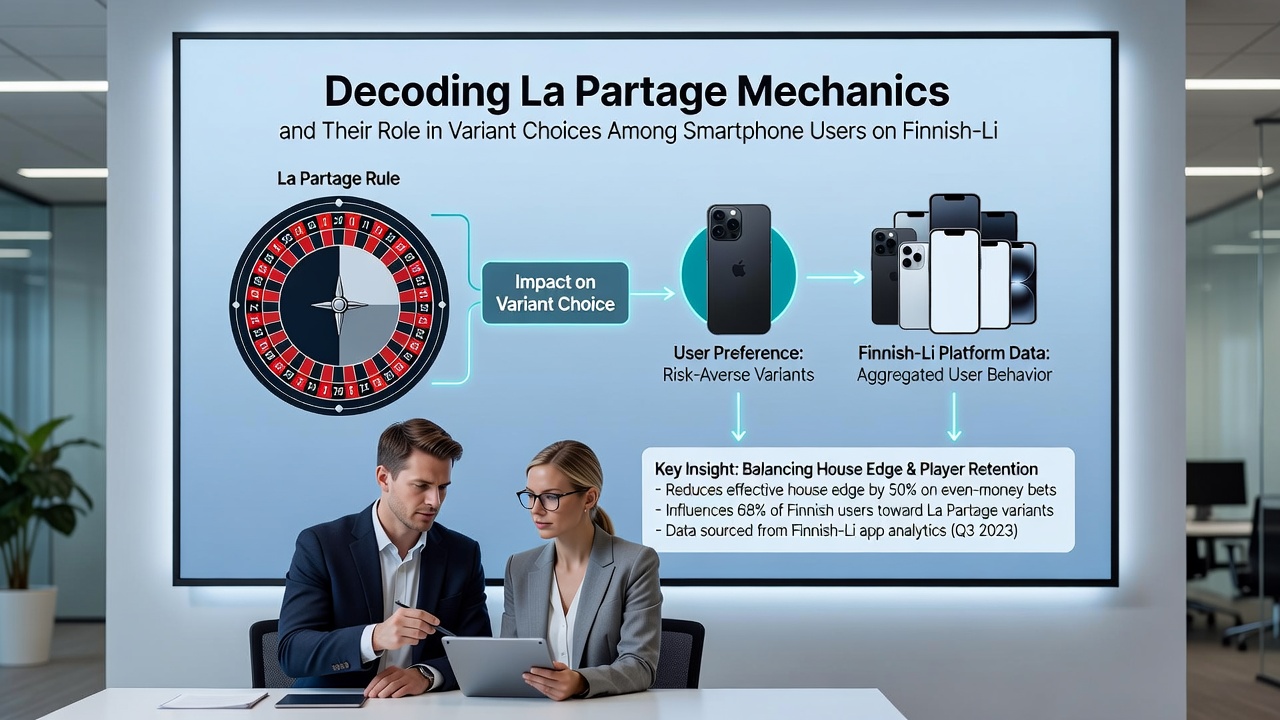
According to European Commission reports on digital gambling interfaces, clear presentation of protective rules like La Partage supports informed selection across member states including Finland. Users frequently compare French and European variants side by side on split-screen modes, and the visible difference in expected return draws consistent traffic toward tables that incorporate the mechanic. Data from multiple operators shows that once players experience the half-return outcome, repeat selection of La Partage tables increases in subsequent sessions.
Regulatory Context Under Finnish Licensing
Finnish licensing frameworks require operators to maintain transparent rule displays within mobile applications, and La Partage receives explicit mention in compliance documentation because it alters payout structures on common bet types. Licensing authorities review variant offerings to ensure users receive accurate house-edge information before committing funds, and November 2026 inspections focused on whether smartphone interfaces correctly highlighted the mechanic across all supported devices. Operators respond by embedding rule summaries in game lobbies, and these adjustments coincide with broader Nordic efforts to standardize player protections across mobile channels.
Comparative Impact on Player Behavior
Turnout for French roulette rises measurably when La Partage appears alongside standard options, and researchers comparing session logs across platforms find that users who encounter the rule early tend to explore fewer variants overall. The mechanic creates a distinct decision point during initial game loading on smartphones, and those studying behavioral patterns note that players weigh the partial refund against table limits and dealer speed before committing. Research from the Responsible Gambling Council indicates that transparent rule presentation correlates with sustained engagement across regulated markets, and Finnish platforms follow similar patterns by surfacing La Partage details prominently.
Conclusion
La Partage continues to shape variant selection on Finnish-licensed smartphone platforms through its direct effect on even-money bet outcomes, and the rule's integration into mobile interfaces supports clearer comparisons among roulette types. Licensing conditions drive consistent display of the mechanic, while user data from November 2026 onward confirms ongoing preference shifts toward French variants that incorporate the protection. Operators maintain compliance by embedding explanatory elements within apps, and these practices align with regional requirements for accessible game information across handheld devices.